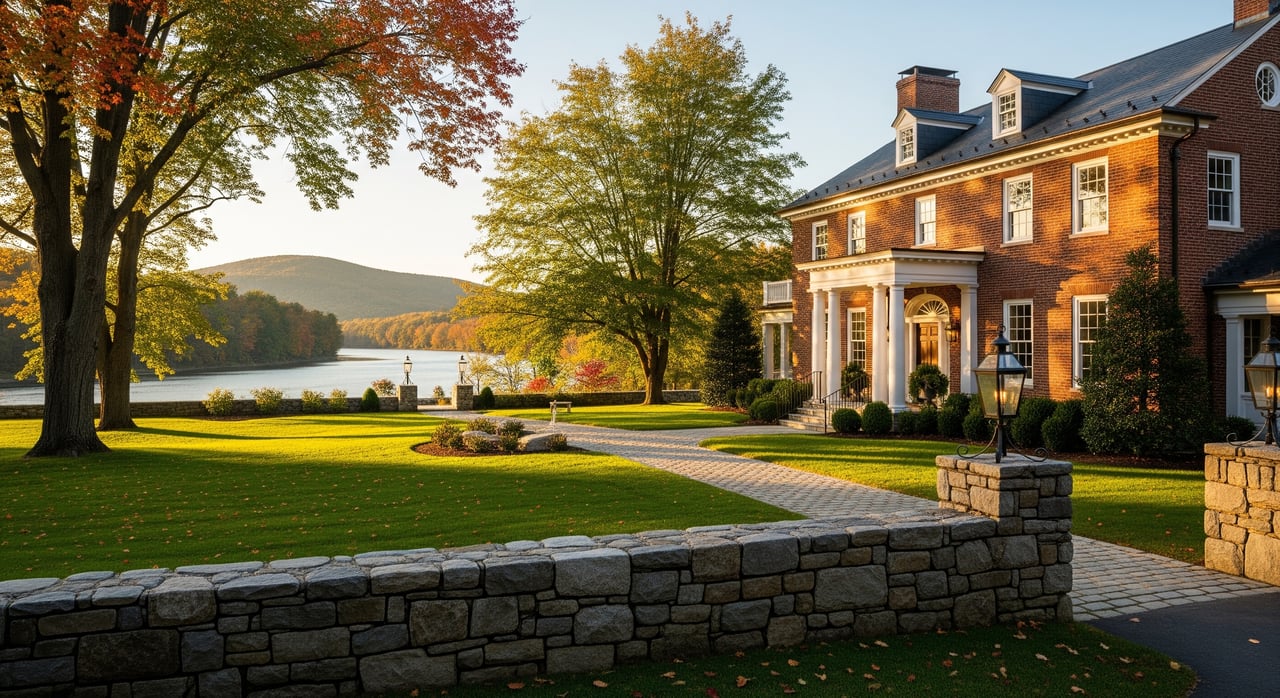
What if you could live in a lively college town where you can walk to coffee, concerts, and riverside trails in the same afternoon? If Hanover is on your radar, you are likely weighing campus energy against day-to-day comfort. You want a clear picture of housing options, neighborhood feel, and the rhythms that come with Dartmouth’s calendar. This guide breaks down what living in Hanover looks like, from walkability and schools to outdoor access and market considerations. Let’s dive in.
Hanover at a glance
Set on the east bank of the Connecticut River in Grafton County, Hanover anchors the Upper Valley alongside Lebanon and nearby Vermont communities. The town’s identity is closely tied to Dartmouth College and the regional medical network through Dartmouth Health. That combination shapes local jobs, housing demand, and culture year-round.
Hanover’s town government prioritizes planning, zoning, and conservation to preserve open space and historic character. You will find active civic conversation around growth, affordability, and smart development near downtown and campus. For current policies and services, check the official Town of Hanover site.
Neighborhoods and housing
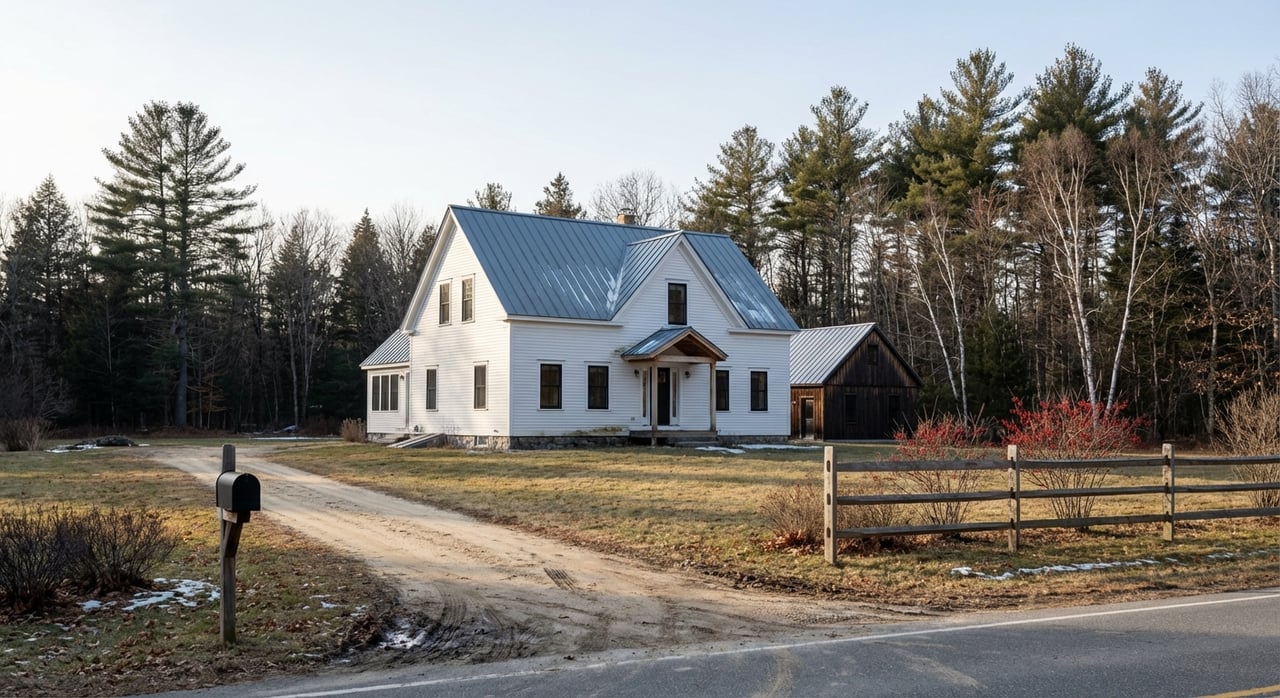
Downtown and the Dartmouth Green form a compact core with shops, eateries, and campus buildings. Streets that radiate a few blocks out include mature trees, sidewalks, and a mix of historic New England homes such as Capes, Colonials, and Victorians. These areas offer a classic in-town feel with easy access to Main Street.
As you move farther from the center, you will see mid-century and newer single-family homes on larger lots. Closer to the river and toward the town’s edges, some streets feel quieter with more privacy and conservation land nearby. On the borders with Norwich, Vermont, and Lebanon, New Hampshire, homes can lean more suburban in layout and commuting patterns.
Condominiums, small multi-family buildings, and apartments cluster near downtown to serve students, faculty, medical residents, and professionals. Purpose-built student housing sees more frequent turnover tied to the academic year. New construction and infill projects do occur, but zoning and conservation rules limit large-scale development, which helps explain why in-town inventory can be tight.
Market dynamics to know
Dartmouth’s hiring and the medical center’s staffing keep buyer and renter demand steady. Listings near campus often draw strong interest, especially when walkability and school proximity align. Inventory in Hanover has historically run below broader state norms, and prices tend to sit above the New Hampshire median due to location and limited supply.
If you plan a renovation or addition, review zoning, permitting, and any historic overlays with the town before you start. The planning office can clarify what is possible on your lot and help you set realistic timelines.
Walkability and getting around
The downtown-campus core is built for walking and biking. Many residents run daily errands on foot and use bikes for short commutes. Sidewalks extend into nearby residential streets, though car use increases in outlying neighborhoods.
Parking downtown is managed through metered lots, limited on-street spaces, and permit zones around campus. During major events like home games and commencement, expect congestion and plan ahead.
For local and regional routes, Advance Transit offers fare-free service across the Upper Valley. Buses connect Hanover, Lebanon, and Vermont hubs such as White River Junction, which supports both commuting and access to services. For longer trips, residents commonly use airports in Burlington, Manchester-Boston, or Boston Logan, depending on schedule and destination.
Schools and learning
Public schools in Hanover operate under Hanover School District (SAU 70). The district is known regionally for strong academics. If school performance and enrollment details are important to your move, review official district resources and state education reports for the latest data.
Dartmouth also adds a public-facing learning layer to daily life. You can attend lectures, symposia, and performances that bring national voices to town. This access to on-campus programming is a core part of the Hanover experience.
Healthcare access
Specialized care is convenient with Dartmouth Health and Dartmouth Hitchcock Medical Center minutes away in Lebanon. From primary care to advanced specialties, services are within easy reach for routine visits and complex needs.
Dining and culture
Hanover’s dining scene blends college-town casual with higher-end, New England-influenced fare. You will find quick bites, coffee shops, and international options around Main Street. Seasonal ingredients and farm connections are common across menus.
The cultural calendar stays busy through the Hopkins Center for the Arts and the Hood Museum of Art. Expect concerts, films, theater, gallery shows, and community events throughout the year. Dartmouth traditions such as homecoming and winter carnival add to the civic rhythm.
Outdoor recreation
If you love the outdoors, you will have plenty to explore. Hanover’s trail networks and conservation lands support running, hiking, snowshoeing, and cross-country skiing. The Dartmouth Outing Club is a regional resource for programs, guides, and access to cabins and trail systems.
The Connecticut River provides warm-weather paddling, and nearby lakes welcome swimming and boating. Downhill skiing is a 1 to 1.5 hour drive at multiple New Hampshire and Vermont areas. Mountain biking and hiking are available at varied difficulty levels across the Upper Valley.
Seasons and daily rhythms
Hanover experiences four distinct seasons. Summer is warm and green, fall brings foliage and crisp air, winter is long enough for regular snow activities, and spring arrives with mud, blooms, and rising river activity. Winter driving often requires snow tires and routine snow clearing.
Crowds and traffic can spike around the academic calendar. Orientation, parents’ weekend, homecoming, and commencement bring visitors, which affects parking and restaurant reservations. Many residents plan errands and travel with those dates in mind.
Taxes and cost basics
New Hampshire does not tax wage income and has no broad-based sales tax. Property taxes are set locally and should be part of your ownership budget. Hanover’s municipal site shares current tax information, assessments, and services on the Town of Hanover website.
Housing and some services in Hanover generally run higher than statewide averages due to demand and limited supply. Routine goods and utilities tend to align with regional norms. We recommend modeling your total cost of living, including mortgage, property taxes, insurance, utilities, and likely commuting costs.
Who Hanover fits
Hanover aligns well if you want walkability, on-campus culture, and quick access to care. It suits academics, medical professionals, and remote or hybrid workers who value a small-town feel with big-university perks. Families and retirees often choose Hanover for educational resources, programming, and outdoor options.
Tradeoffs include higher housing costs compared with many New Hampshire towns, winter weather that affects daily routines, and modest late-night dining or nightlife options. If you prefer quieter streets, you may favor locations a bit farther from campus, while those who love energy and events may want the in-town core.
Tips for buyers and renters
- Define your walkability range. Decide how close you want to be to Main Street or campus and what tradeoffs you accept for space and parking.
- If you need parking, verify on-site options. Check any permit requirements and guest policies for in-town addresses.
- Time your search with the academic calendar. Listing and rental turnover often aligns with Dartmouth’s schedule, so plan accordingly.
- Clarify zoning and renovations. Before you buy a fixer, review what is feasible with the town planning office.
- Explore transit and commute patterns. Map your typical routes and test Advance Transit options where feasible.
Your next step
If you are considering a move to Hanover, you deserve local insight, clear guidance, and a plan tailored to your goals. Whether you are exploring in-town homes, a quieter setting near conservation land, or a condo within walking distance of campus, you will benefit from steady advice and strong negotiation. Ready to talk strategy and timing for your purchase or sale? Reach out to Donald Goudreau for a consultative, high-touch approach backed by modern marketing and eXp Realty’s reach.
FAQs
Is downtown Hanover walkable for daily errands?
- Yes. The downtown and Dartmouth campus core is pedestrian oriented with sidewalks, bike-friendly streets, and a compact layout that supports walking to shops, cafes, and cultural venues.
Which Hanover neighborhoods are closest to Dartmouth?
- Streets immediately around the Dartmouth Green and a few blocks beyond offer the shortest walk, while outer neighborhoods trade walkability for larger lots and more privacy.
How does the college calendar affect daily life?
- Expect more foot traffic and limited parking around orientation, homecoming, parents’ weekend, and commencement, along with a steady flow of public events during the academic year.
What public school options serve Hanover?
- Hanover public schools operate under SAU 70; review district and state reports for current enrollment, programs, and performance details.
How accessible is healthcare for residents?
- Specialized and primary care are close by through Dartmouth Health and clinics in the Upper Valley, which provide a full range of services.
What winter conditions should I plan for in Hanover?
- Plan for cold temperatures, regular snowfall, and the need for snow tires and snow removal, plus access to winter recreation like cross-country skiing and snowshoeing.
What transit options connect Hanover to the region?
- Advance Transit runs fare-free routes across the Upper Valley, and most residents use Burlington, Manchester-Boston, or Boston Logan airports for longer trips.
Where can I find current town policies and services?
- The Town of Hanover website provides official updates on planning, zoning, taxes, and municipal services, which are helpful for buyers and homeowners.