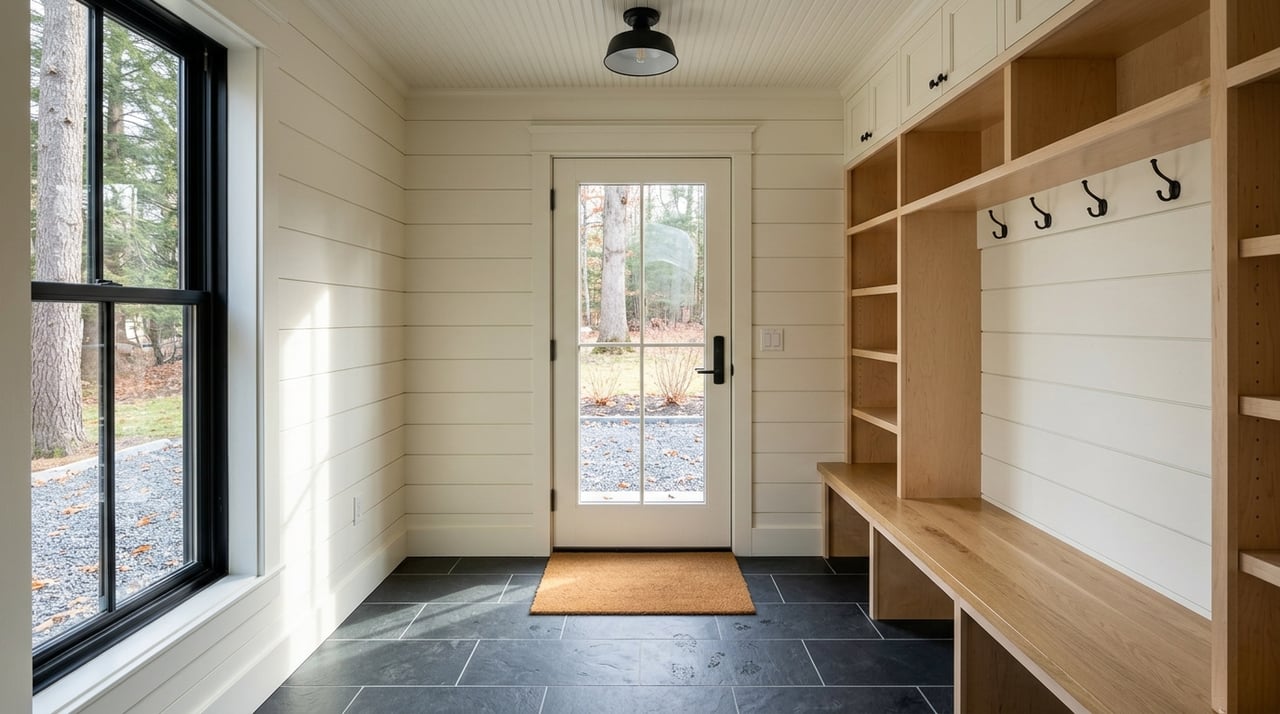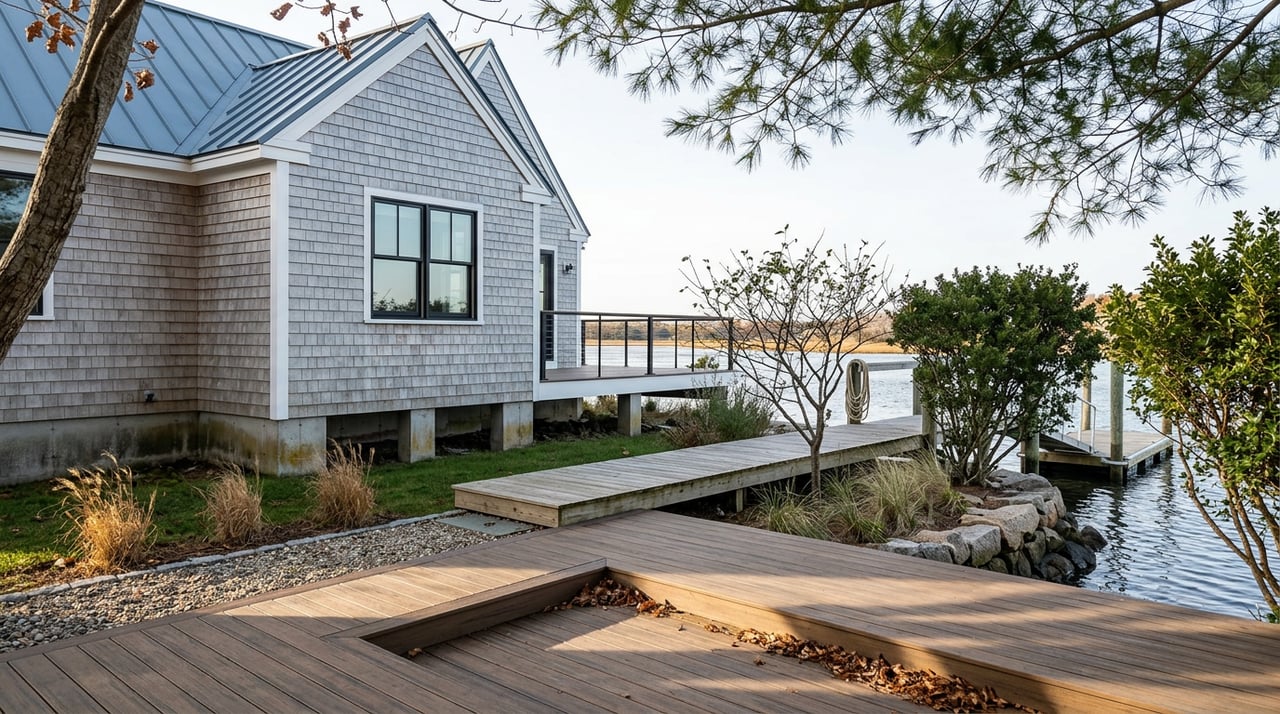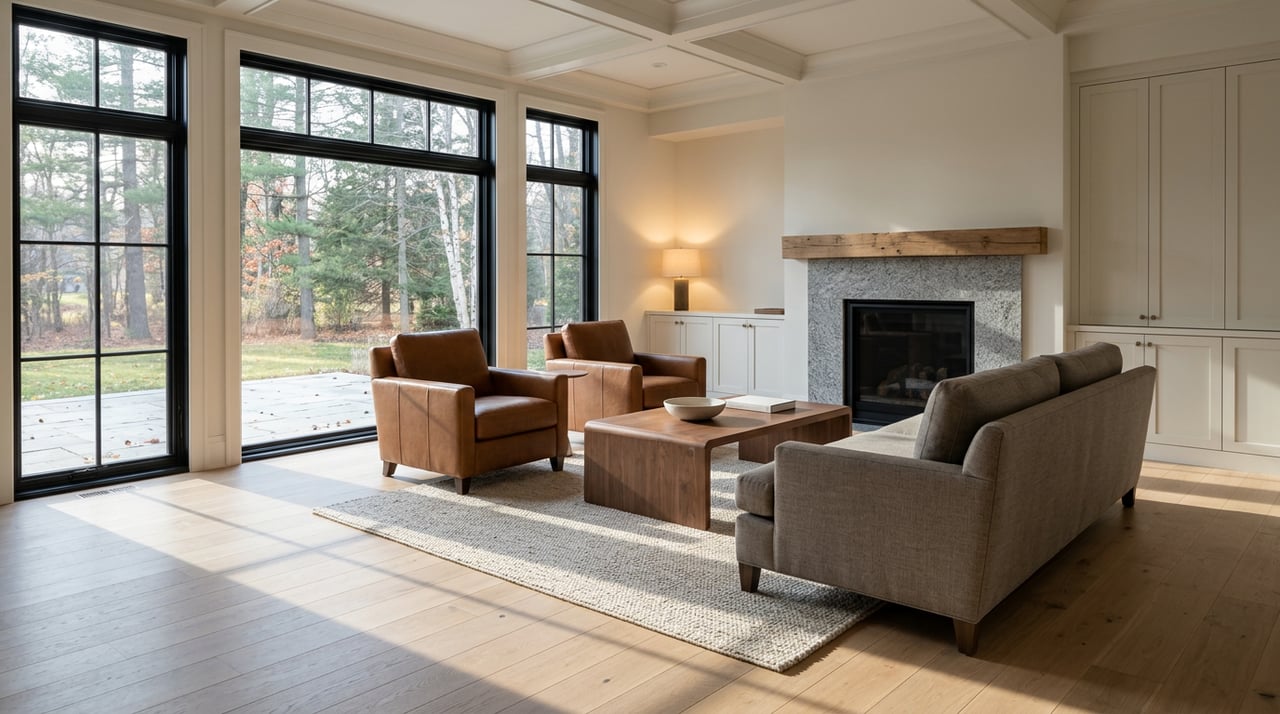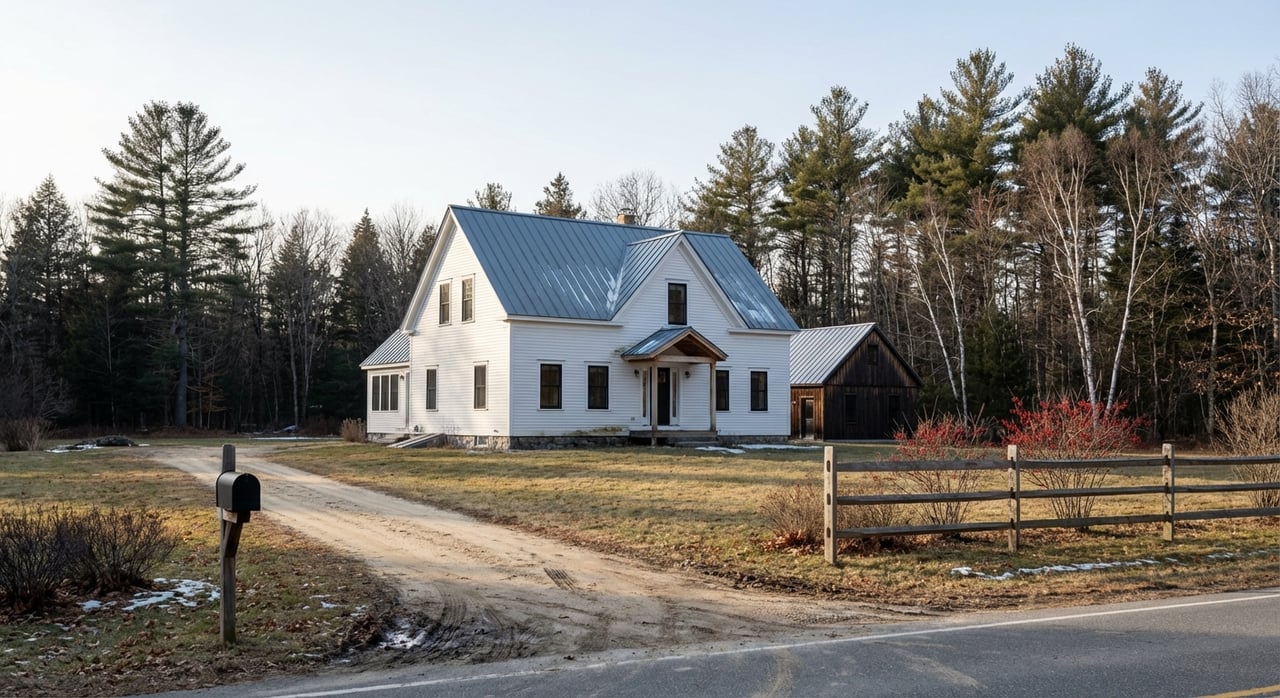
Trying to choose between Concord and Bow for your next home? You are not alone. Both offer strong value in central New Hampshire, but they feel different once you look at prices, schools, commute options, taxes, and day-to-day lifestyle. In this guide, you will see the key trade-offs with current data and clear steps so you can buy with confidence. Let’s dive in.
Concord vs. Bow: The quick take
- Bow is more uniformly suburban with a higher share of owner-occupied homes and higher typical home values. Census also shows higher household incomes and fewer rentals compared with Concord. (U.S. Census QuickFacts: Bow)
- Concord is a larger city with a wider mix of housing types, more downtown amenities and cultural venues, and a higher municipal tax rate. Owner-occupancy is lower, so you will find more entry options and rentals. (U.S. Census QuickFacts: Concord)
- Expect ranges, not single numbers. Long-run Census medians differ from listing medians and from Zillow’s typical-value index, and small markets like Bow can swing month to month.
Home prices and housing types
Concord price range and mix
Concord offers a wide range of choices. You will see historic homes near downtown, condos and townhomes, multi-family options, and single-family neighborhoods at several price points. On long-run Census measures, the median owner-occupied value is about $350,900. In January 2026, Zillow’s Home Value Index put Concord around $434,000. (U.S. Census QuickFacts: Concord)
For many buyers, a practical Concord range is roughly $300,000 to $500,000 for entry to mid-tier single-family homes, with higher prices for renovated properties or prime locations. Realtor snapshots have shown price-per-square-foot around the mid-$270s, but month-to-month swings are normal in specific neighborhoods.
Bow price range and lot style
Bow is heavily single-family with larger lots and a higher owner-occupied share. Census shows a median owner-occupied value around $506,500, and Zillow’s January 2026 typical value sits near $592,000 to $595,000. (U.S. Census QuickFacts: Bow)
A common Bow target range for move-up buyers is $500,000 to $900,000-plus depending on lot size, age, and finish level. Listing medians can look high in Bow because a small number of active listings can shift the median more than in a larger city like Concord.
What market stats really mean
- Use direction, not absolutes. Across sources, Bow’s typical values trend higher than Concord’s.
- Know your source. Census medians cover owner-occupied stock over several years, Zillow’s ZHVI is a modeled typical value, and listing medians reflect only what is on the market now.
- Check timing. If you need a precise number to write an offer, confirm with live MLS data for that week.
Schools and district basics
Bow SAU 67 overview
Bow runs a single K–12 district with Bow Elementary, Bow Memorial (middle), and Bow High School. Families often cite the continuity and community feel of a single district. Bow High is consistently summarized as a strong performer in parent-facing reviews. You can review school details on the district site and on parent summary pages. (Bow High School, GreatSchools overview for Bow High)
Concord SAU 8 and MVSD notes
Most Concord addresses fall within the Concord School District (SAU 8), which includes multiple elementary schools, Rundlett Middle School, and Concord High School. Some Concord addresses, especially in Penacook and nearby areas, are served by the Merrimack Valley School District. Programs are broad in Concord due to the city’s size, and offerings can include career and technical pathways and arts. Always verify the assigned district for a specific address. (Concord School District overview)
How to verify a school assignment
Do not rely on a map pin alone. Check district and school pages for boundaries or contact the town or district office. When you want performance data like proficiency or graduation rates, use the New Hampshire Department of Education profiles for the most current figures. (NH DOE profiles)
Commute and transportation
Highways and typical drive times
Bow sits where I‑89 meets I‑93, which is useful if you travel west or northwest. Concord is served by I‑93 and the I‑393 connector to points east. According to recent Census estimates, average travel time to work is about 23 minutes for Concord and about 27 minutes for Bow. Individual commutes vary by destination and time of day. (U.S. Census QuickFacts: Concord, U.S. Census QuickFacts: Bow)
Bus and airport options
Concord has local public transit and regional coordination, along with intercity coach service connections to Boston and Logan Airport. Many commuters use park-and-ride lots along the I‑93 corridor. You can review regional routes and planning resources here. For air travel, Manchester–Boston Regional Airport is roughly 24 miles from Concord, often 30 to 45 minutes by car depending on traffic. (Keep NH Moving regional transit, MHT to Concord distance and time)
Taxes and owner costs
Municipal tax rates affect annual carrying costs. For 2024, Concord reported a combined tax rate of about $27.69 per $1,000 of assessed value. Bow reported about $19.78 per $1,000 for 2024. Remember that your bill depends on the town’s assessed value for your property, any exemptions, and revaluation cycles. Always confirm the tax year when you compare. (City of Concord tax rate page)
Census estimates also show the median monthly owner cost with a mortgage at about $2,325 in Concord and about $3,039 in Bow. These figures highlight general differences and are not a quote for any specific home. (U.S. Census QuickFacts: Concord, U.S. Census QuickFacts: Bow)
Lifestyle and neighborhood feel
Concord offers a walkable Main Street, arts and civic institutions, and riverfront parks. If you want small-city amenities, it delivers a lively calendar, from concerts to theater. A well-known venue is the Capitol Center for the Arts. (Capitol Center for the Arts)
Bow reads as quieter and more suburban with larger lots and a close-knit town identity. Many households choose Bow for single-family neighborhoods, outdoor time, and town recreation programming.
Which town fits you?
Use your top priorities to guide the choice. Here is a quick checklist to frame your search.
- Schools: Prefer a single-district K–12 pathway and smaller enrollment? Bow often fits. Prefer a wider program set and a larger high school? Concord may fit.
- Home type: Want more options from condos to historic homes at varied prices? Concord has the mix. Want single-family neighborhoods with larger lots? Bow is the clearer match.
- Budget: Concord often offers more entry and mid-range choices around $300,000 to $500,000. Bow’s typical move-up range often runs $500,000 to $900,000-plus, with higher medians across sources.
- Commute: Need quick access to I‑93 and I‑89? Both are well placed, with Bow at the I‑89 junction and Concord centered on I‑93 and I‑393.
- Taxes and costs: Concord’s 2024 tax rate is higher than Bow’s. Your actual bill comes down to assessed value and exemptions in the year you buy.
How we help you decide
If you are weighing Concord versus Bow, the best next step is to match your must-haves to live market options and on-the-ground commute and school checks. We can refine your price band with current MLS data, preview likely tax bills based on assessment year, verify school assignment for target streets, and line up coach-bus or drive-time tests during your commute window.
When you are ready, connect for a focused plan and private tour list tailored to your goals. Schedule a consultation with Donald Goudreau to compare neighborhoods, pricing, and timing so you can move forward with confidence.
FAQs
Is Bow always more expensive than Concord?
- Across major measures, Bow’s typical values trend higher, but exact medians vary by source and month. Census shows Bow around $506,500 vs. Concord around $350,900; Zillow’s January 2026 index shows a similar direction.
How do Concord and Bow public schools compare?
- Bow’s schools are typically rated highly in parent summaries, while Concord offers broader programs with larger enrollment; verify current performance on NH DOE profiles and review each school’s website. (Bow High School, GreatSchools summary, NH DOE profiles, Concord School District)
Will property taxes offset price differences between Concord and Bow?
- Concord’s 2024 rate was about $27.69 per $1,000 compared with Bow’s about $19.78; your bill still depends on assessed value, exemptions, and the revaluation year. (Concord tax rates)
What commute options connect Concord and Bow to Boston or Manchester?
- You have direct highway access to I‑93 and I‑89, local public transit in Concord, and intercity coach connections to Boston and Logan via regional providers; many use park-and-ride lots along I‑93. (Regional transit resources)
Where can I find current market numbers for Concord and Bow?
- Use a mix of sources and confirm timing: Census QuickFacts for long-run context, MLS for active listings, and modeled indexes like Zillow’s ZHVI for typical values; always check the date on any figure. (Census: Concord, Census: Bow)