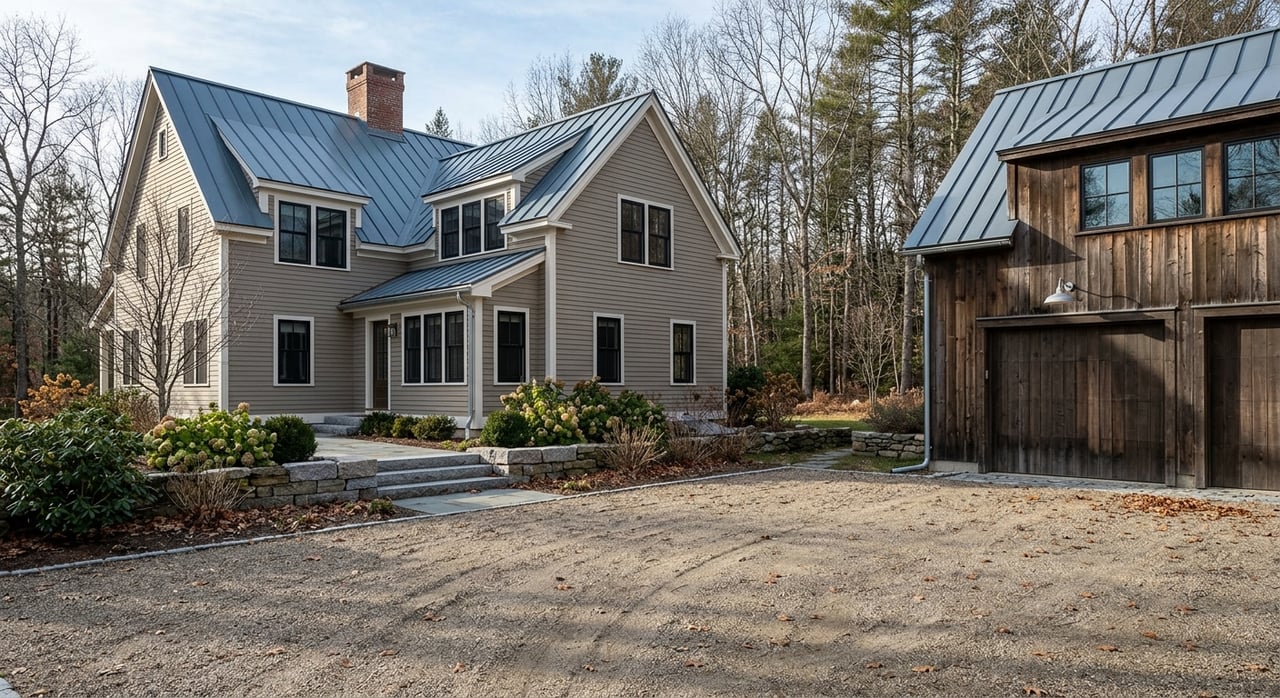
If you are moving up in Manchester, picking the right neighborhood can matter just as much as picking the right house. You may want more space, a quieter setting, better access to recreation, or simply a stronger fit for your next stage of life. In a market where single-family inventory was just 34 homes in March 2026 and the median sales price reached $450,000, it helps to know which areas best match your goals before the right listing appears. Let’s dive in.
What move-up buyers should know first
Manchester uses 25 city planning areas, and those neighborhood names are planning references rather than strict legal districts. That means the feel of an area can shift from one block to the next, even within the same neighborhood name.
For you as a buyer, the smartest approach is to think in terms of lifestyle fit. In Manchester, that usually means deciding whether you want historic character, a more suburban feel, easier highway access, stronger recreation options, or quick access to downtown and daily amenities.
The market also remains very competitive. As of March 2026, single-family homes averaged 27 days on market, and sellers received 101.0% of original list price on average, which tells you that well-positioned homes can move fast.
North End for historic character
If you are looking for the clearest premium-feel neighborhood in Manchester, the North End stands out. The city describes it as historically affluent, with post-Civil War mansion development and notable Gothic, Queen Anne, and Italianate homes.
This is often the best fit for buyers who want architecture, presence, and a sense of long-established character. The northern part of the neighborhood also has a more suburban feel, which can appeal if you want that classic Manchester identity without feeling too close to the city core.
The area also has a strong lifestyle angle tied to local architecture and history. The Currier Museum’s Frank Lloyd Wright house tours, including the Zimmerman House, add another layer of interest for buyers who value design and cultural amenities.
Why North End works well
- Historic architecture and premium character
- Strong sense of place within Manchester
- A mix of established homes and more suburban-feeling sections
- Good fit if you want a distinctive move-up purchase
Eaton Heights for suburban recreation
Eaton Heights is one of the strongest move-up options on the east side. The city describes it as a largely suburban neighborhood that developed along a prewar streetcar line, which gives it an established residential feel.
For many buyers, the appeal here is balance. You get a quieter setting while still staying within Manchester, and the presence of Derryfield Country Club and Stevens Pond adds golf and outdoor recreation to the lifestyle mix.
If your next home needs to feel more settled and residential, Eaton Heights deserves a close look. It is especially appealing if you want a suburban pocket without leaving the convenience of the east side.
Why Eaton Heights stands out
- Largely suburban setting
- Established residential feel
- Golf and recreation nearby
- Strong option for buyers seeking quieter surroundings
Highlands for more breathing room
On the West Side, the Highlands offers another compelling move-up path. The city calls it suburban and notes that it includes about 175 developed acres and 100 undeveloped acres, which suggests a less dense setting than many central neighborhoods.
That extra open-space character is part of what makes this area attractive. It developed along a prewar streetcar line and includes The Hollows disc golf course, giving it a blend of residential setting and outdoor appeal.
If you want more breathing room while staying connected to Manchester, the Highlands is worth serious consideration. It can be a smart fit for buyers who want a neighborhood that feels more spacious without giving up city access.
Best fit for Highlands
- Buyers who want a suburban West Side setting
- Buyers who prefer less density
- Households that value open-space character and recreation
Green Acres for highway convenience
Some move-up buyers care most about day-to-day efficiency. If that sounds like you, Green Acres may be one of the most practical choices in Manchester.
This east-side neighborhood is largely postwar and suburban, and it is bordered by I-93, I-293, and Mammoth Road. That makes it one of the city’s more highway-convenient suburban pockets, which can be a real advantage if commuting and easy regional access are high on your priority list.
Green Acres is less about prestige and more about function paired with a residential feel. If your goal is to move into a home that supports a busy schedule, this area can make a lot of sense.
Wolfe Park for suburban access
Wolfe Park sits on the southwest edge of Manchester and is described by the city as largely suburban. It borders the Bedford town line and the Merrimack River, which gives it an appealing location for buyers who want a suburban setting with close-in convenience.
The city also notes that the neighborhood includes restaurants, shops, and parks. That combination can be very attractive when you want everyday amenities nearby without sacrificing a more residential atmosphere.
For move-up buyers comparing Manchester options with nearby suburban communities, Wolfe Park often works as a practical middle ground. You stay in Manchester while gaining access to a setting that feels more relaxed and well connected.
West Side options for convenience
If your move-up plan is less about a classic suburban feel and more about access, two West Side neighborhoods deserve attention: Rimmon Heights and Piscataquog. These are better framed as convenience-oriented choices rather than the city’s most clearly luxury-leaning pockets.
Rimmon Heights sits on a plateau-like flatland above the flood plains and has direct bridge access to downtown. That can be a meaningful advantage if you want a more residential setting while keeping an easy connection to the city center.
Piscataquog brings a similar convenience story. South Main Street is the West Side’s primary business corridor, which can make everyday errands and services easier to reach.
Consider these if you want
- Faster access to downtown Manchester
- A more residential feel than the urban core
- Daily convenience tied to West Side amenities
Hanover Hill and Wellington as niche fits
Not every move-up buyer wants the same thing, and Manchester has a few areas that can work well for more specific priorities. Hanover Hill is a mid-density east-side neighborhood between Corey Square and Eaton Heights that offers views of the Uncanoonuc Mountains and downtown.
That makes Hanover Hill a useful in-between option. If you want established housing and stronger views, but do not necessarily need the most suburban or premium-feeling part of the city, it may be worth exploring.
Wellington offers a different kind of appeal. It is thinly populated and primarily residential, and it is home to Dartmouth-Hitchcock Manchester, which the city says has more than 200 providers serving about 75,000 patients.
For buyers who value healthcare proximity and a quieter northeast-corner setting, Wellington can be a very practical choice. It may not be the first neighborhood that comes up in broad move-up conversations, but it can be the right answer for the right lifestyle needs.
One area to watch
Bakersville is best treated as a watch-list neighborhood rather than a top move-up pick. The area has seen redevelopment in recent years, especially along the Merrimack River, including Elliot Urgent Care at River’s Edge.
That investment makes it interesting, particularly if you are drawn to river-corridor access and evolving areas. Still, the city’s description feels more mixed-use and redevelopment-oriented than classic move-up or luxury suburban living.
How to choose the right fit
If you want the most upscale and historic feel, start with the North End. If you want suburban character, Eaton Heights, Highlands, Green Acres, and Wolfe Park are the strongest candidates.
If commute convenience matters most, Green Acres stands out for highway access, while Rimmon Heights and Piscataquog offer strong West Side convenience. If your priorities are more specific, Hanover Hill and Wellington can fill useful niche roles.
In a market this tight, clarity matters. When you know what kind of neighborhood experience you want before you start touring, you can move faster and make better decisions when the right home hits the market.
The best move-up strategy is rarely about chasing the most well-known area. It is about matching your budget, timing, and lifestyle priorities to the part of Manchester that fits your next chapter best.
If you want help narrowing your search and evaluating which Manchester neighborhood best matches your goals, Donald Goudreau offers experienced, high-touch guidance for buyers across Southern New Hampshire.
FAQs
Which Manchester NH neighborhood feels most upscale for move-up buyers?
- The North End is the strongest premium-character option, with historic architecture, established presence, and some sections that feel more suburban.
Which Manchester NH neighborhoods feel most suburban?
- Eaton Heights, Highlands, Green Acres, and Wolfe Park are the clearest suburban choices based on the city’s neighborhood descriptions.
Which Manchester NH neighborhood is best for commuting?
- Green Acres is one of the strongest options for commute convenience because it is bordered by I-93, I-293, and Mammoth Road.
Which West Side Manchester NH neighborhoods work for move-up buyers?
- Rimmon Heights and Piscataquog are solid choices if you want a more residential feel with convenient access to downtown and daily services.
Are Manchester NH neighborhood boundaries exact?
- No. Manchester’s neighborhood names are planning-area references used by the city, so the feel can vary block by block rather than following strict legal district lines.
Is the Manchester NH market competitive for move-up buyers?
- Yes. In March 2026, the single-family market had 34 homes for sale, 0.6 months of supply, 27 average days on market, and sellers received 101.0% of original list price on average.